
The Frirsz family of luthiers began making violins in the mid 1800s, as patriarch Antol Frirsz moved from making cabinets to musical instruments. As the oldest family of luthiers in the world, they perfected a method of making violins using no forms. At Sixth Generation Strings, we carry on that method. We also carry on the family varnish recipe and method, which gives our instruments an unmatched, unique look.
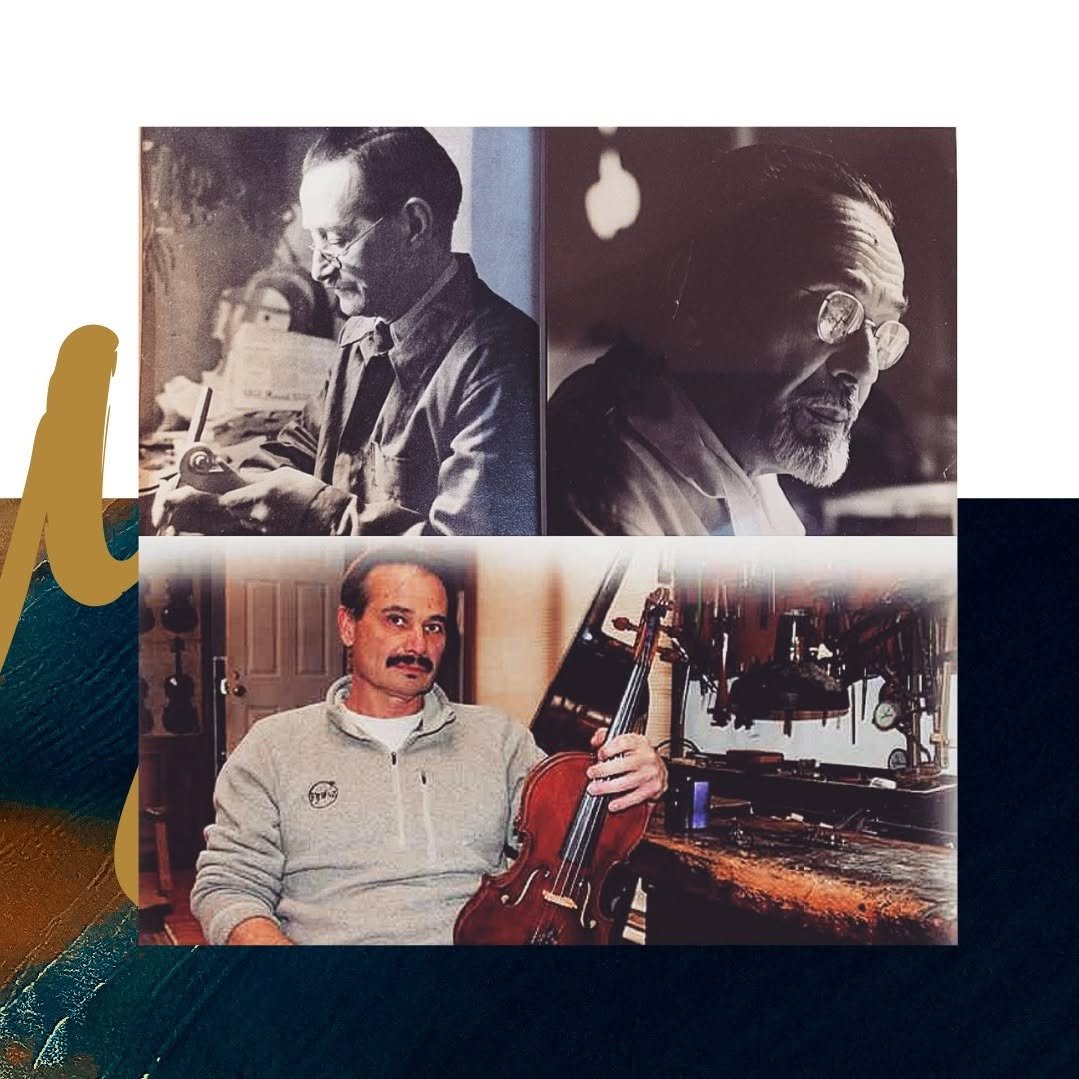

The Frirsz family became extremely influential in the Hungarian school of violin making under Lajos, Miksa, and Maximilian Frirsz in Budapest. The family perfected a rare “no-form” construction method and proprietary varnish recipes.
After escaping the Hungarian Revolution with just his tools in a briefcase, master luthier Maximilian Frirsz brought the family tradition to New York City, establishing a famous studio on 57th Street.
In 1974, his 17-year-old son Nicholas became the youngest luthier ever to win an International Gold Medal, later taking over the New York shop in the 1980s when Maximilian retired.
In Upstate New York, Nicholas Frirsz continued his family’s legacy by pioneering the revolutionary asymmetrical viola and the Frirsz tailpiece.
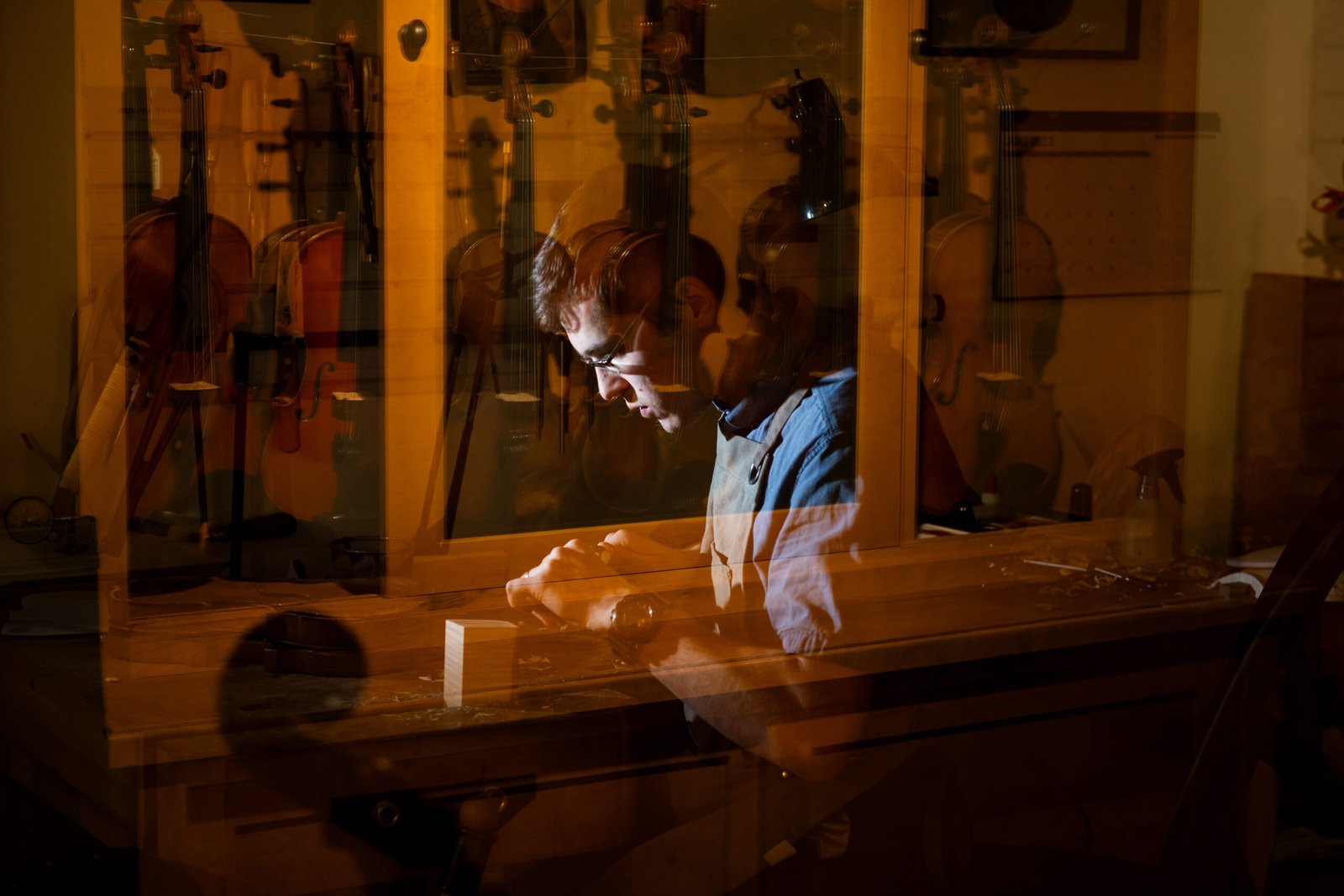
In 2010, physics student Thomas Dunn began studying under Nicholas, learning directly from the gold-medal luthier. As his full apprentice, Thomas mastered six generations of Hungarian trade secrets, absorbing Nicholas’s expertise in acoustic design, form-free construction, and varnish methods that define the Frirsz tradition.
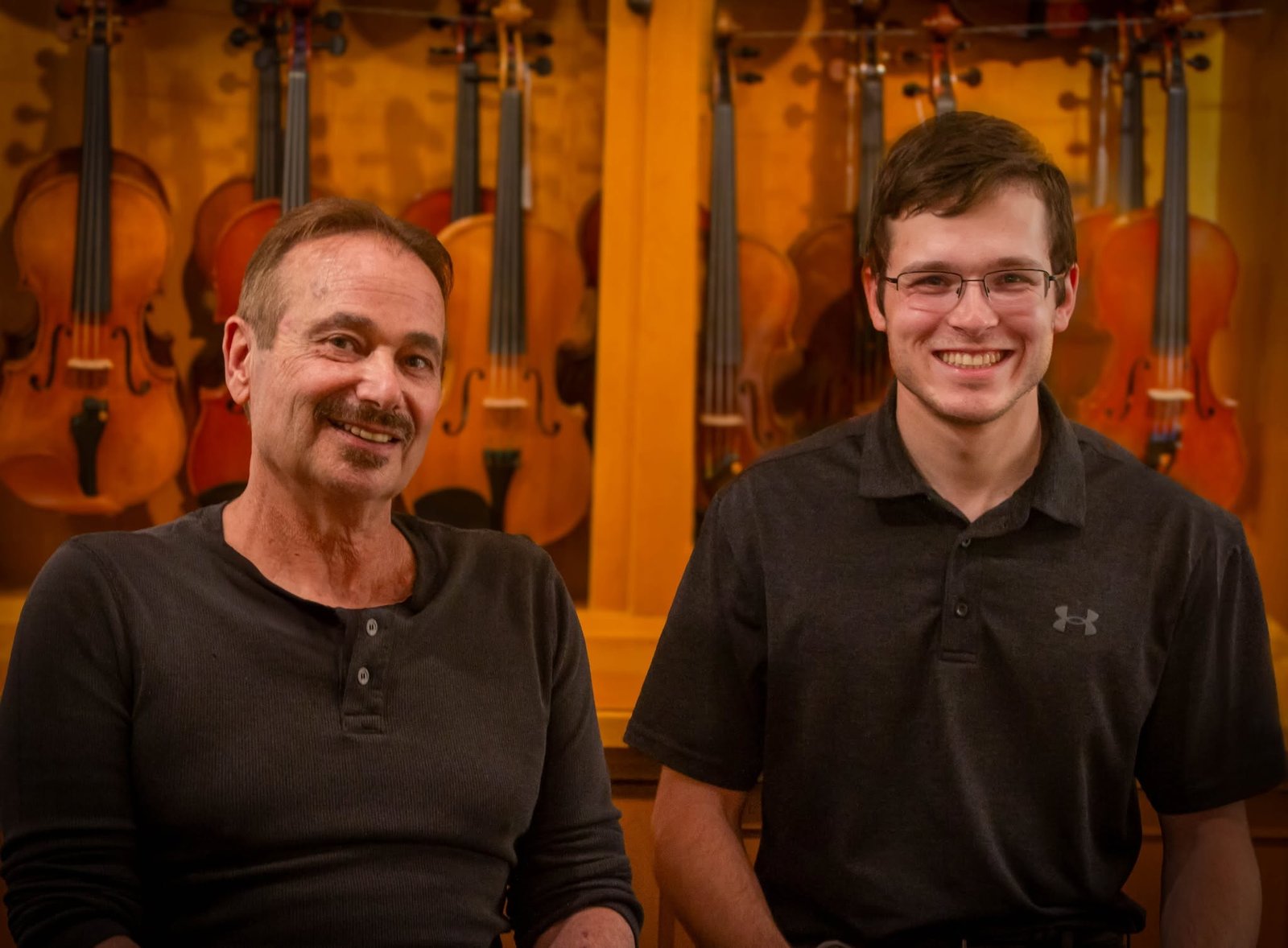
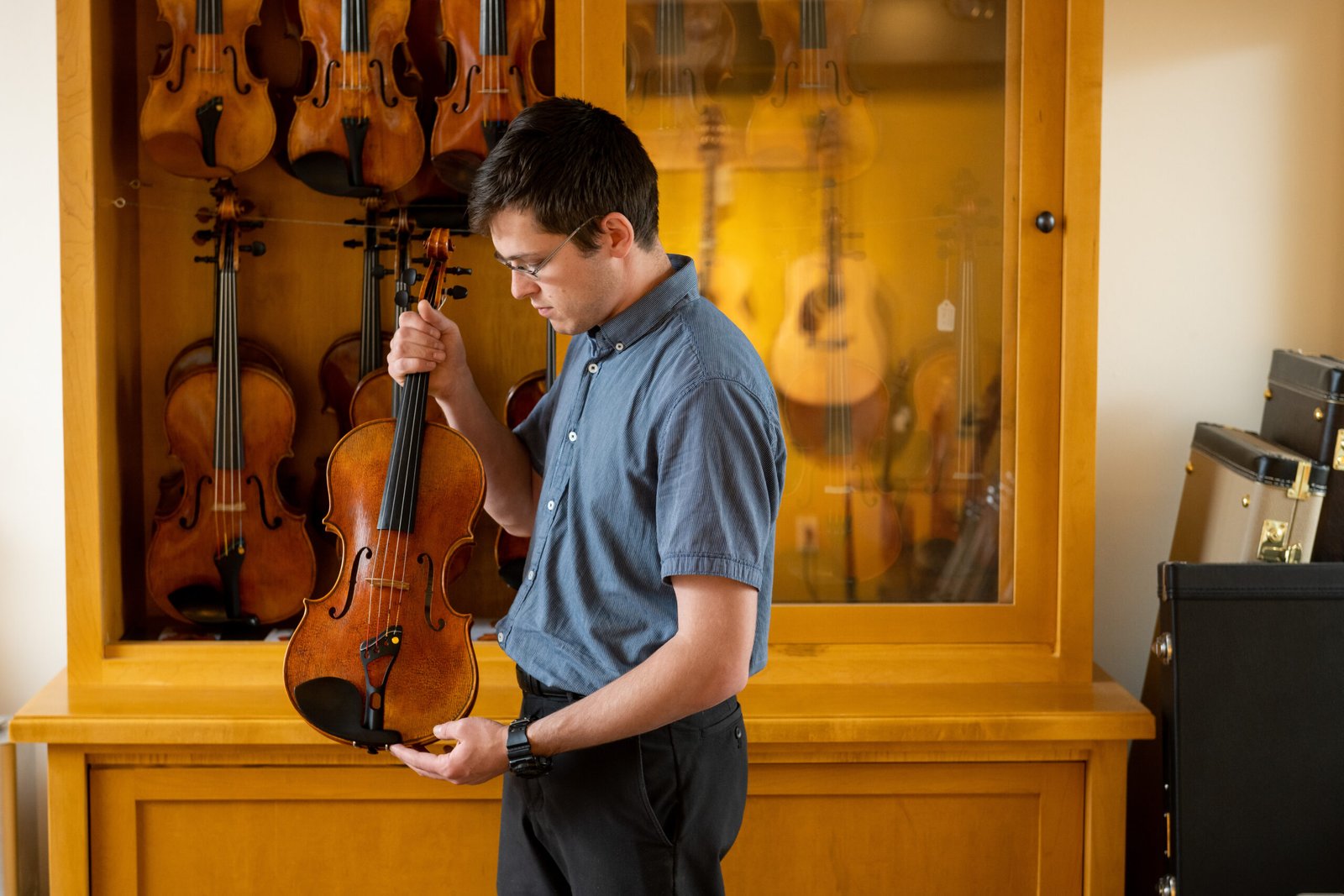
Today, Sixth Generation Strings operates out of Saratoga Springs, New York, bridging centuries of old-world European heritage with modern acoustic science.
Owner and master luthier Thomas Dunn provides world-class hand-crafted instruments, expert restorations, and custom setups for players of all levels. Every instrument that leaves the shop carries forward six generations of integrity, passion, and unrivaled artistry.